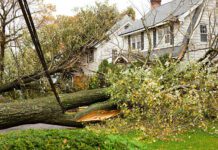

A retreat location is something you better be thinking about, especially if you live in a heavily populated area. If a SHTF scenario does occur, you will be hit the hardest and you may not have anywhere to go if you haven’t planned a retreat location.
Now there are 2 types of retreat locations: short-term and long-term. Here we are talking about the long-term retreat location – someplace that you can either live or where you can go at the very first signs of trouble. Whether you are buying an additional property in the nearby rural area or moving across country to your perfect new homestead, you should do your research before you leap.
Generally when we talk about a retreat location, we talk about some place that is strategically positioned to keep you protected, supplied and comfortable for as long as possible. Hopefully, you can afford a piece of property like that.
First thing you need to think about when you are looking at a potential property is how your land is positioned. You don’t want to be too isolated where you and your family are completely alone. Neither do you want to be located too close to major highways, towns or obvious natural resources, where your property could be wandered into easily. Get in the mind of that desperate wanderer; get in the minds of those looters. If they are able to see your retreat property easily they are going to try to break into your property. You should not be isolated. Before you make the move, make sure you research the area and find a community of like-minded preppers. Look for properties with multiple natural “layers of defense” and strategic advantage. You want something that has varying terrain.
With that said, some states are better for retreat locations than others. Obviously, you don’t want your hideout to be in Washington, D.C. or New York or Florida. In fact, generally the further North you go, the better.
You have to consider several factors when you think about the area.
- First of all, what kinds of weather is the area prone to? Are natural disasters frequent there? What kinds? Consider the general weather pattern, too.
- Secondly, look at the criminal activity. Are there many gangs in the area? Predictably, gang members will band together during a crisis, terrorizing neighborhoods.
- Third, consider man-made hazards: proximity to nuclear reactors, toxic waste plants, chemical production plants, etc. In an extended crisis, these facilities will be in disrepair, and whatever they happen to leak or release will be floating in your air or water.
- Next you need to consider the cost of living. How expensive would it be to live at your retreat location? Will cost more or less than where you’re currently living? Make sure before you make a move that you are not spending more. The goal is to save money and spend some of the money that you save stocking up on a few extra supplies.
- Available natural resources. Everybody needs to eat and drink, so when you are choosing your retreat location, focus on the land that has good access to water and has the opportunity for you to produce, grow or raise your own food.
- Simplicity of implementing your off-grid design is another key consideration. If you plan on using a windmill, choose the land carefully to get the most out of it. In other words, don’t move to Seattle with a bunch of solar panels.
These are just the basic considerations for choosing your perfect hideout. There are many other factors that can influence your decision-making, like the availability of native building material, soil type, and more.
For specific guidance on buying retreat property and choosing the appropriate state, members of the United Survivalists Association can shoot me an email and I’ll be happy to give you my recommendations.
To your survival,
Richard Marshall