
A Florida top state official recently released a warning against electric vehicle (EV) batteries on Thursday.
The warning comes as EV batteries have been waterlogged after the hurricane struck the state last week.
In a statement released by Jimmy Patronis, the state’s top financial officer and fire marshal, firefighters have reportedly battled several fire-related incidents which were caused by electric vehicle (EV) batteries waterlogged from Hurricane Ian.
The fire marshall also claimed that the batteries of the EVs that have been waterlogged due to the recent hurricane are at risk of corrosion, which could lead to unexpected fires.
There’s a ton of EVs disabled from Ian. As those batteries corrode, fires start. That’s a new challenge that our firefighters haven’t faced before. At least on this kind of scale. #HurricaneIan pic.twitter.com/WsErgA6evO
— Jimmy Patronis (@JimmyPatronis) October 6, 2022
In a tweet Patronis posted on Thursday, he revealed that “There’s a ton of EVs disabled from Ian. As those batteries corrode, fires start. That’s a new challenge that our firefighters haven’t faced before. At least on this kind of scale.”
“It takes special training and understanding of EVs to ensure these fires are put out quickly and safely. Thanks to [North Collier Fire Rescue] for their hard work,” he added in the statement.
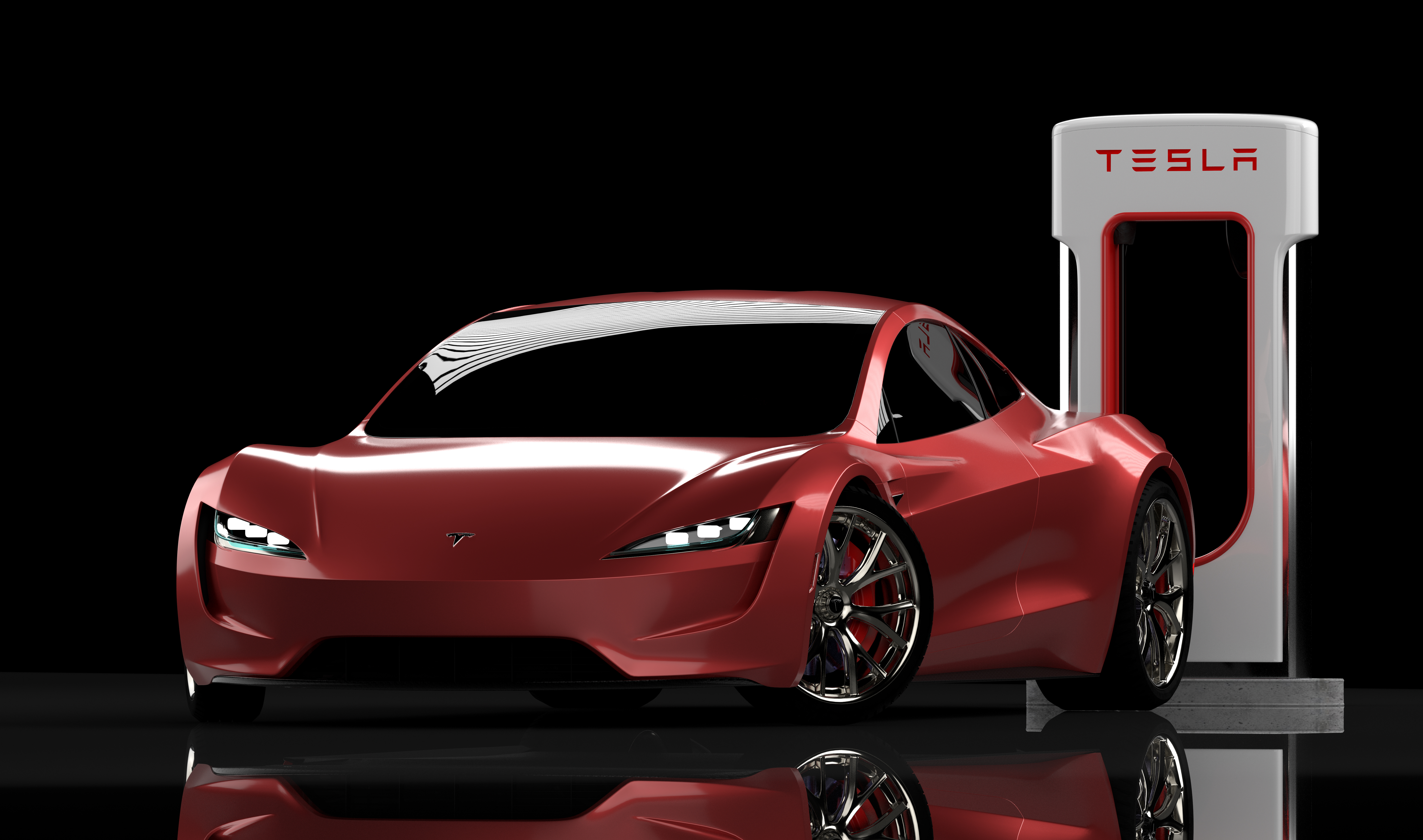
Moreover, Patronis also posted a video clip where firefighters in Naples, Florida can be seen battling a fire that started from a Tesla EV’s battery.
In addition, a bystander can be heard in the same video clip, saying that the crew had already used hundreds of gallons of water to put the fire out.
Last week, Hurricane Ian struck the state of Florida and almost destroyed a number of cities along its west coast including Naples and Fort Myers after making a landfall as a Category 4 storm.
The disaster also caused over 100 deaths and more than a million residents to lose power. However, as of the moment, it is still unclear how many EVs were impacted or destroyed by the storm.
The recent report comes as consumers started switching from gas-controlled vehicles to EVs after the Biden administration continued to push a green transition involving zero-emission cars.
In the data released by Kelley Blue Book, the “EVs accounted for 5.6% of new car purchases in the U.S. between April and June and were slightly up from the first three months of 2022.”
This comes after Biden’s declaration that 50% of new car sales would be EVs by 2030.
Just this year, the president signed the Inflation Reduction Act, a bill that “included a provision that awards Americans a tax credit worth $7,500 per EV purchase, into law in August, and the Department of Transportation has worked to create a federal EV highway charging network.”
However, critics blasted the bill alleging that it’s giving Americans a “false impression” about EVs, noting that they are expensive and often unreliable.
“[The EV push] is really kind of a con job. It may be a good deal for some people in some places under some circumstances. But by-and-large right now, it’s not a good deal.” Myron Ebell, the director of the Competitive Enterprise Institute’s Center for Energy and Environment, said.