

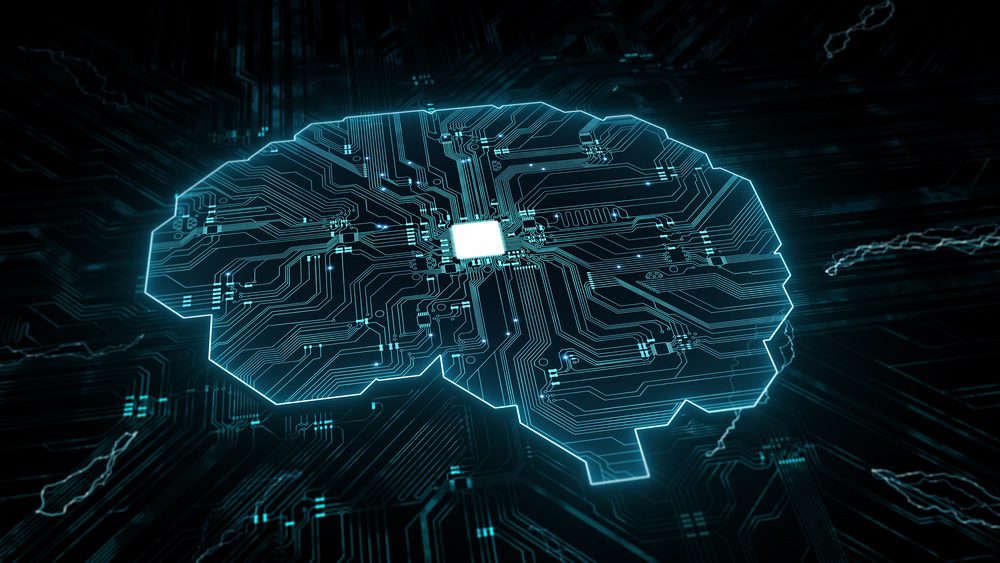
An intelligence agency in Australia is giving money to research that combines artificial intelligence (AI) with human brain cells.
The Guardian reported that this research received a big $600,000 grant from the defense sector and the Office of National Intelligence.
Monash University and Cortical Labs will use the funding from the Australia National Intelligence and Security Discovery Research Grants Program for their ongoing work in this area.
Adeel Razi, who leads the project and is an associate professor at Monash University’s Turner Institute for Brain and Mental Health, explained that this new technology could be even better than the current silicon-based hardware in the future.
Last year, the research team created a “DishBrain,” which is a “semi-biological computer chip” with around 800,000 lab-grown human and mouse brain cells connected to its electrodes.
The DishBrain uses neurons from human stem cells and was even trained to play the classic video game “Pong,” according to New Atlas.
“The micro-electrode array at the heart of the DishBrain was capable both of reading activity in the brain cells, and stimulating them with electrical signals, so the research team set up a version of Pong where the brain cells were fed a moving electrical stimulus to represent which side of the “screen” the ball was on, and how far away from the paddle it was,” the report stated.
Some experts believe that the brain-powered Biological Intelligence Operating System could be the future of AI because it can program itself, needs less memory, uses energy efficiently, and can learn throughout its lifetime, just like human brain cells.
“The outcomes of such research would have significant implications across multiple fields such as, but not limited to, planning, robotics, advanced automation, brain-machine interfaces and drug discovery, giving Australia a significant strategic advantage.” Razi stated.
“We will be using this grant to develop better AI machines that replicate the learning capacity of these biological neural networks. This will help us scale up the hardware and methods capacity to the point where they become a viable replacement for in silico computing,” he added.
In April, TechCrunch reported that Cortical Labs got a big $10 million in funding, including investment from the U.S. Central Intelligence Agency’s investment arm.
Cortical Labs is famous for its work in combining synthetic biology and human neurons, which led to the creation of an advanced AI class called ‘Organoid Intelligence’ (OI).