
In part one of this blog post, we’ve looked at the preparation necessary to have a fighting chance of surviving a nuclear war. In part two, we’ll go into a little more depth about how you could have the best possible chance of making it through the aftermath.
We covered basic, immediate supplies (like food, water, and preliminary first aid) in the first part of this series. But to survive, preparation won’t be enough. You’ll need to know what steps to take immediately, and how you can prepare yourself for this nightmarish scenario.
Most people in the US would have at least twenty or thirty minutes of warning before an attack. Use that time to seek immediate shelter. Seek shelter that will provide adequate protection from radiation—something with thick walls, preferably underground. Immediate radiation exposure is only a danger if you’re within the blast radius, and if that’s the case, you’re unlikely to survive no matter how well prepared you are.
The real threat is fallout, or residual radiation that could take days or weeks to settle out of the atmosphere. Dust and debris from the blast zones will form contaminated soot in the upper atmosphere, which will fall in a dangerous phenomenon called “black rain.” If you’re unable to avoid it, once again: it’s game over.
You’ll have to stay sheltered for a minimum of 48 hours—longer if possible. You’ll need to ration your supplies to extend this period of initial shelter until you’re forced to venture out in search of sustenance. When scavenging, wear every article of clothing you can get your hands on—dress in layers, and try not to leave any exposed skin.
Try to find food in intact containers that is either far enough away from ground zero or behind thick enough walls to avoid radiation contamination. When looking for water, you’ll need to find it from a source that’s underground or covered by something solid enough to keep fallout from contaminating it. Water from any source open to the sky should only be used as a last resort.
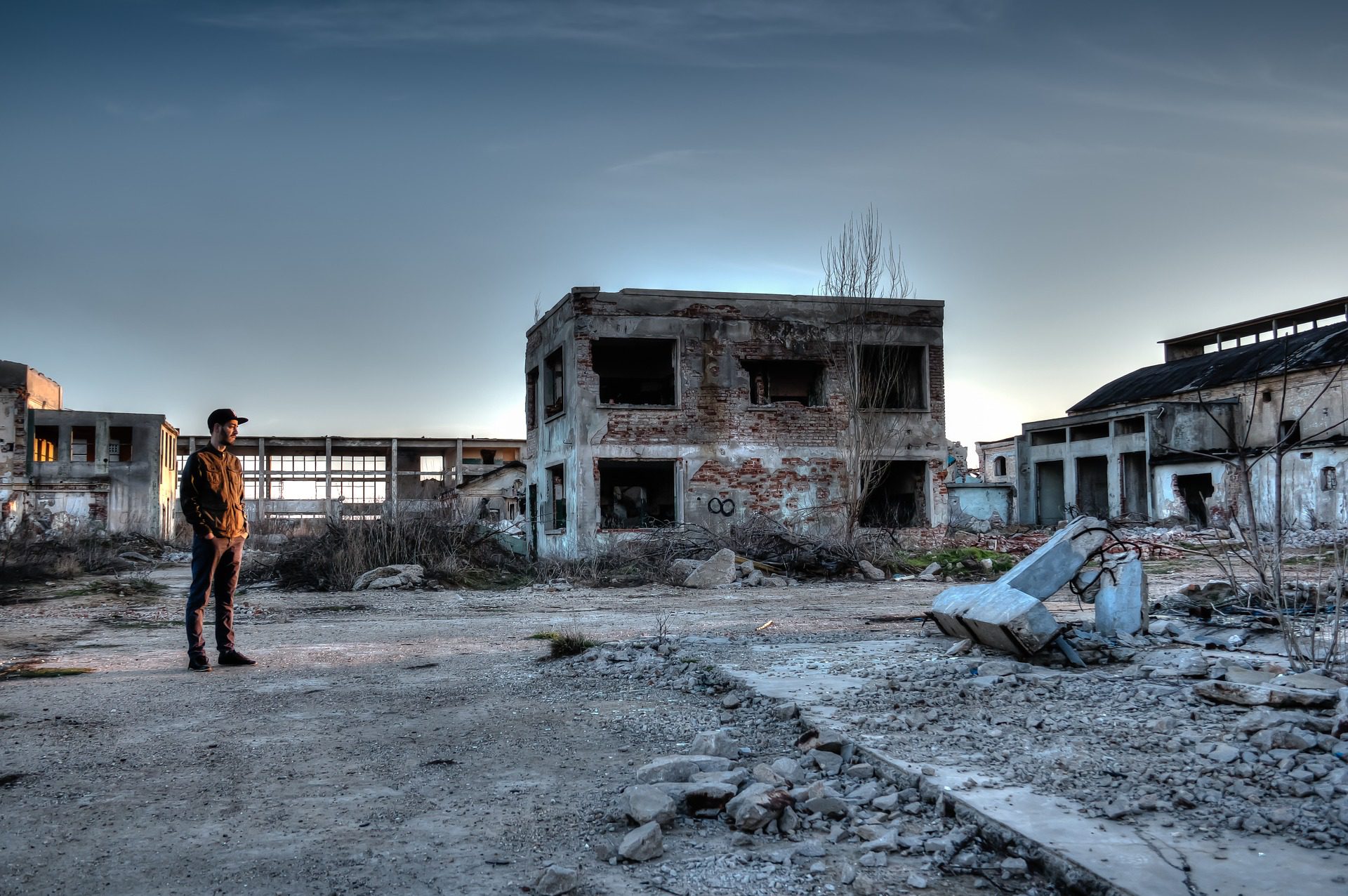
If you survive long enough to face the problems of where to find enough food and safe water, you’ve done better than most people—but the world, and life as you know it, will have changed forever. You’re likely to spend a very long time, perhaps the rest of your days, just trying to survive, one moment at a time.
To your survival,
Richard Marshall