

Italy, under the leadership of Prime Minister Giorgia Meloni, is emerging as a dissenting voice in response to the European Union’s (EU) ambitious plan to ban new combustion engine vehicles by 2035. This resistance stems from concerns about the potential socio-economic impact of such a decision on Italy’s thriving automotive industry.
Since assuming power in October, Prime Minister Meloni has actively advocated for Italy’s auto sector, which directly employs nearly 270,000 workers and contributes 5.2% to the country’s GDP as of 2022. Her stance is a direct response to the European Association of Automotive Suppliers (CLEPA), which raised concerns about the potential loss of over 60,000 jobs in Italy by 2035 as a result of the transition to electric vehicles (EVs).
Italy’s opposition to the EU’s mandate is not isolated, as seven other EU nations, including France and Poland, are also joining the rebellion against the proposed “Euro 7” pollution standards.
I take back all those bad jokes, I have said over the years putting down Italians. At this point in time under Meloni they are showing some true grit. https://t.co/YaYQCwd3kU— Rev. Paul John Kalchik (@KalchikRev) May 26, 2023
Enterprise Minister Adolfo Urso noted that Italy is leading the way and that their position is gaining wider support within EU member states, highlighting the growing discontent.
Transport Minister Matteo Salvini further criticized the EU’s decision, pointing out its environmental fallacy and lack of practicality. Salvini echoed concerns raised by environmentalists and experts who argue that the manufacturing process of EVs, including the extraction of rare earth minerals for batteries and reliance on fossil fuel-driven electricity, may offset the purported environmental benefits.
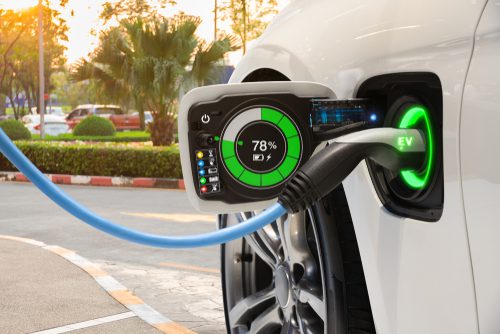
The lack of EV infrastructure poses another challenge to the EU’s electric drive. Italy has a significantly lower number of charging stations compared to countries like the Netherlands, with only 36,000 stations available.
This scarcity highlights the logistical hurdles that need to be overcome. Analyst Felipe Munoz from Jato Dynamics noted the lack of enthusiasm for electric cars in Italy due to the current lack of supportive infrastructure.
Supporting the real-world stance, Italy’s iconic automaker Ferrari has announced its commitment to continue producing combustion engines until the 2030s.
Ferrari CEO Benedetto Vigna emphasized the importance of consumer choice and the company’s heritage, stating that they do not wish to impose a particular choice on their clients.