
If you’re a prepper … you’re prepping for something. That something can be a lot of things—natural disaster, civil unrest, economic crisis, climate change … the list goes on. But what good is all that preparation if you don’t know when to act on it, when to make those carefully crafted plans come to life and spring into action? Let’s take a look at some tell-tale signs that the S might be getting ready to HTF.
Part of this is instinct, part of it is vigilance, and (like everything else about being prepared) part of it is knowledge. Knowing when things are starting to get bad—before everyone else realizes the implications—is part of being prepared. Here’s a partial list of items you might want to make a mental note of, when and if they happen:
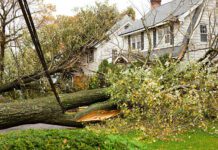
- A natural disaster (wildfire, hurricane, blizzard, flood, etc.) with either wide regional impact or intense local (in or near the area you live) impact
- Power grid failure or widespread blackout in a nearby major city or across a larger regional area that lasts for more than a week
- Partial or complete media blackout—no news, in this case, is bad news
- The declaration of martial law or other governmental edict that directly impacts the movement or other important rights of private citizens
- Stock markets lose of 10% or more of their value and trading is halted
- Banks start limiting withdrawals or deny them altogether
- A large-scale terrorist attack anywhere in the US—especially one that uses nuclear, chemical, or biological agents
- The uncontained outbreak of a lethal or near-lethal virus that defies governmental (CDC, etc.) attempts to control, treat, or contain it
- The large scale meltdown of a nuclear reactor anywhere within your region
Any one of these could be a “small scale” SHTF moment, but each of them could also spiral outward and begin to have wider (and more severe) effects. A large-scale, national, or even multi-national crisis of SHTF proportions will likely be presaged by one (or more!) of the above.
If any one of these happens, the best advice would be to go on high alert, depending on the nature of the event (some of them justify immediate and rapid bug out). If the effects of whatever event begin to spread or have cascading effects—a natural disaster triggers a stock market crash which then triggers a run on the banks—that’s a pretty good indicator that the wheels are (perhaps) about to come off.
It’s best to keep a clear and level head, stay informed, and rely on voices you trust—moderate, reasonable sources who aren’t prone to scare mongering for ratings or sensationalism. It’s worth it to note that one of the most important things anyone who considers themselves a prepper of any stripe can do is to find a reliable, trusted source of news. And when judging reliability, it’s best to look at their past predictions or reactions to past events to determine how accurate their forecasting or coverage was. So much news these days is just about getting ratings—and one sure way to do that is to indiscriminately scare the hell out of people.
Above all else, use your best judgement, and when in doubt, protect yourself and your loved ones—but always bear in mind you can’t unring a bell, so don’t do anything that’s likely to have significant negative impact if your hunch about the world ending turns out to be wrong.
To your survival,
Richard Marshall