

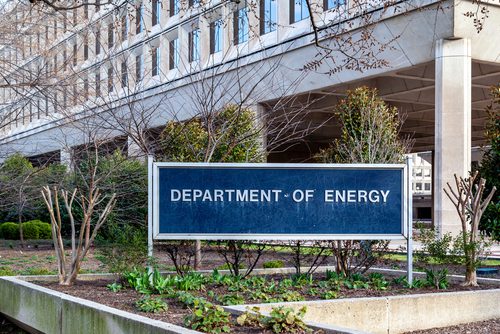
The Department of Energy is pushing to regulate natural gas stoves and other cooking appliances.
On Wednesday, the department released a new proposal which includes new rules for natural gas stoves.
According to the proposal, it would limit the energy consumption of the stoves and energy usage standards on both gas and electric stoves and ovens.
The proposed rule also added that both the electric and gas and would be required to meet certain thresholds for energy efficiency.
In an official statement released by an Energy Department spokesperson during a press conference on Wednesday, it was revealed that “as required by Congress, the Department of Energy is proposing efficiency standards for gas and electric cooktops—we are not proposing bans on either.”
“The proposed standards would not go into effect until 2027 and cumulatively save the nation up to $1.7 billion. Every major manufacturer has products that meet or exceed the requirements proposed today,” the spokesperson added.
The DOE claimed that the rule would help improve the reliability and the security of the country’s energy system through energy savings.
The department estimated that the standards “could enable energy savings of 3.4 percent relative to a scenario without the standards. It also estimated manufacturers would incur total conversion costs of $183.4 million to comply with the standards,” Patriot Alerts reported.
According to the agency, it has “tentatively concluded that the proposed standards represent the maximum improvement in energy efficiency that is technologically feasible and economically justified.”
It also added that it estimates “in order to bring products into compliance with new and amended standards, it is estimated that the industry would incur total conversion costs of $183.4 million.”
Moreover, the Energy Department claimed that the products that achieved the said standards are already on the market. It also made it clear that the proposed standard would outweigh the potential drawbacks.
“That conclusion remains true under any reasonable analytical assumption—i.e., the proposed standards are net beneficial under any discount rate (both for climate and non-climate benefits and costs), any cost scenario, and any other scenario DOE analyzed,” the said regulation claimed.
“Moreover, because consumer operating cost savings and health benefits alone greatly exceed costs under all such assumptions and scenarios, DOE noted that this conclusion does not depend on climate benefits (though DOE’s estimates of climate benefits remain important and robust),” it added.