
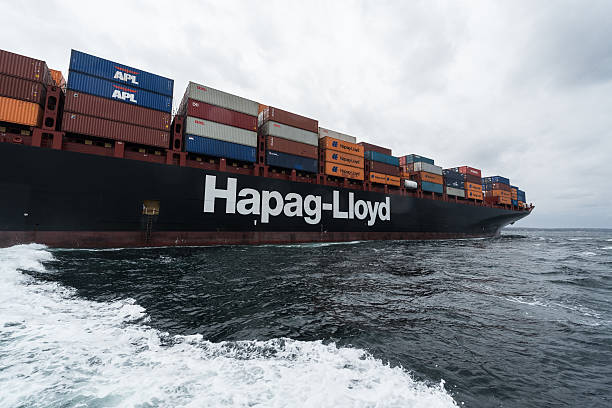
It is the fifth largest ocean carrier, and its CEO said that they now have a better idea of what the second half of 2024 might bring for ocean freight.
Because the Houthis attacked ships and caused chaos, ocean freight companies stayed away. Many of them saw less business and less movement. The scale number was lower than expected in the past, but CEO Rolf Habben Jansen said that things have started to get better in the last few months.
Jansen said, “We also see that inventories are running low in many cases. So far we’ve seen a good recovery after Chinese New Year, so we’ve been pretty happy with that.”
He talked about how their income went down and how problems like high rates and a lot of containers caused more problems. “The last quarter was hard because rates were at unsustainable levels,” Jansen said.
“I believe that was seen by all. We saw them pick up a bit near the end of the quarter. Then there was the Red Sea situation, which changed the market again, he said.
Deals in the Red Sea have made it take a lot longer to ship goods by ocean. This is because companies are changing their paths to keep their workers safe and out of harm’s way. Jansen thinks that the conflict will be over in a couple of months, but there is a good chance that it won’t be.
The busy season could start earlier this year, so they are getting ready for it. They are also working on a new way to move people called a “hub and spoke model,” which would make travel faster.