
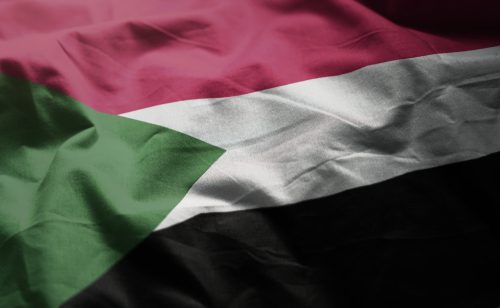
The capital city of Sudan, Khartoum, is likely to face a biological danger, according to the World Health Organization (WHO).
After one of the battling military divisions took control of a laboratory which contained harmful and contagious microorganisms like cholera and measles, they immediately issued a biohazard alert.
This announcement was made not long after the US military launched a rescue mission to remove more than 70 US government officials who were in Sudan as a result of fighting between the Sudanese armed forces and Rapid Support Forces (RSF).
The main problem, as pointed out by WHO representative Nima Saeed Abid, is that the laboratory staff cannot enter the National Public Health Laboratory and the biological samples have been left unsecured, creating a significant risk.
#BREAKING ‘Huge biological risk’ after Sudan fighters occupy lab: WHO pic.twitter.com/BGPnhlyWK8— AFP News Agency (@AFP) April 25, 2023
The World Health Organization has been able to offer the most recent data, which indicates that since the violence started on April 15th, at least 459 people have died and 4,072 more have been wounded.
Violence has suddenly erupted as a result of tensions between Sudan’s two highest generals over leadership of the nation.
However, many reports indicate that the conflict had already been escalating for some time.
Despite obvious signs that they had no interest in doing so, the international community spent years transforming the two military adversaries into political actors and tasking them with completing a democratic transition.
In the weeks before the conflict began, the two generals played with an agreement in an effort to fix their unresolved differences—mostly about the transformation of the security sector and the RSF’s integration into the army—and to move the country closer to the long-awaited, civilian-led democracy.
They met with international mediators and pledged to hand over power. Tanks and troop carriers, however, were visible traveling through Khartoum’s streets, supporting and strengthening both sides of the ongoing conflict.
In conclusion, WHO’s warning emphasizes the serious dangers that biological materials carry and how they can be extremely harmful and contagious to humankind.
To avoid risking the lives of the populace, authorities must control this crucial situation, stop the violence and find a political solution that benefits all Sudanese citizens.