
Demand for grocery delivery decreases as the food costs rise amid the record-high inflation across the United States.
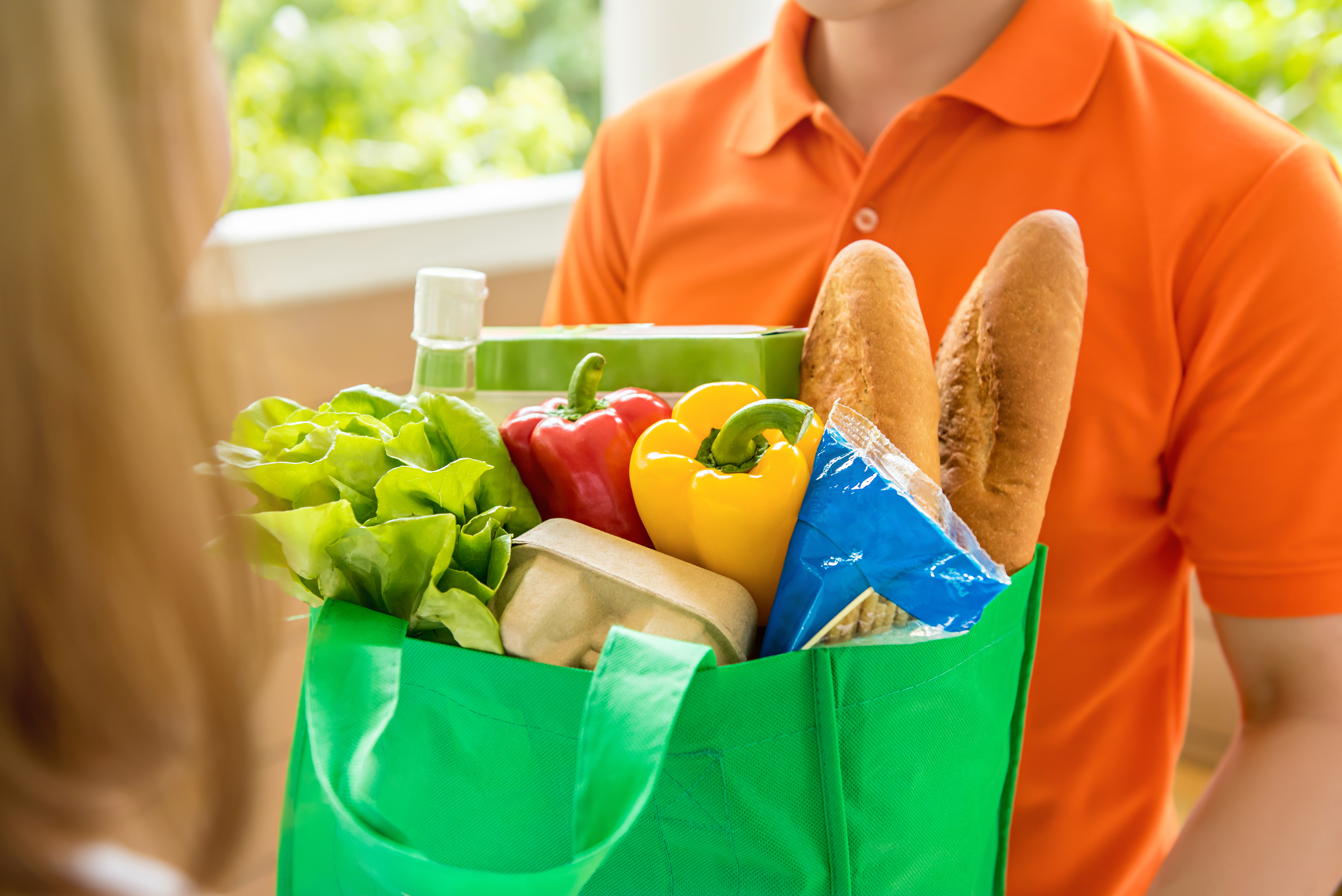
According to the reports, Americans across the US are cutting off grocery delivery from their budgets as prices for food and other necessities rise, leaving consumers shifting to pick up which is a less expensive alternative where shoppers go into the store to collect their already-bagged groceries.
Others also revealed that they’re more comfortable doing the shopping themselves.
For instance, Karen Raschke, a retired attorney in New York said that she had to cut off delivery from her budget after she learned that her rent was increasing by $617 per month, earlier this spring.
Raschke started getting her groceries delivered since the pandemic started and each delivery cost $30 in fees and tips, but it was worth it to avoid the store.
However, the 75-year-old revealed that delivery was one of the first things she cut from her budget as the high inflation continues to squeeze the Americans’ pockets. She also added that she now walks four blocks to the grocery several times a week and only uses delivery on rare occasions, like a recent heat wave.
“To do it every week is not sustainable,” she said.
After the Covid-19 pandemic crisis hit the US, grocery delivery across the country started seeing tremendous growth.
According to the August 2019 data, Americans had spent $500 million on grocery delivery. However, it ballooned to a $3.4 billion business in June 2020, Brick Meets Click, a market research company reported.
“Companies rushed to fill that demand. DoorDash and Uber Eats began offering grocery delivery. Kroger — the nation’s largest grocer — opened automated warehouses to fulfill delivery orders. Amazon opened a handful of Amazon Fresh groceries, which provide free delivery to Prime members. Hyper-fast grocery delivery companies like Joker and Buyk expanded into U.S. cities,” the New York Post reported.
However, as the inflation and soaring prices for food, gas and other commodities continue to strangle the US economy, the demand for grocery delivery decreased by 26%.
As a result, companies in the industry like Buyk filed for bankruptcy in March while the company “Jokr” pulled out of the U.S. in June.
Meanwhile, Instacart, the U.S. market leader in grocery delivery slashed its own valuation by 40% to $24 billion in March ahead of a potential IPO.
“I think that people are not using delivery because they want to get the heck out of the house,” Diane Kovacs, a college lecturer in Brunswick, Ohio said.